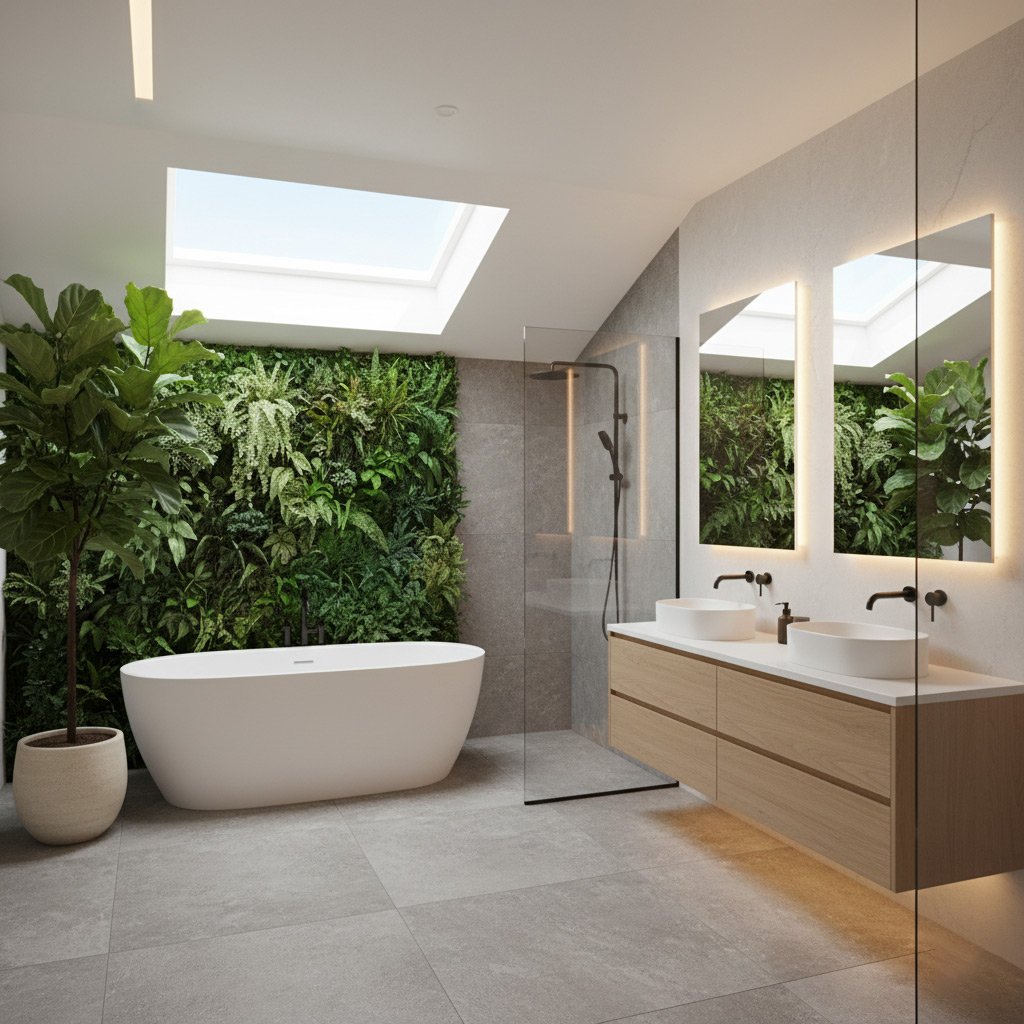
You’re about to turn your bathroom into a spa‑like retreat, but one wrong move could flood your wallet. In Phoenix heat, a botched shower install isn’t just an eyesore—it’s a nightmare.
Most homeowners think “any plumber can do it,” but the truth is a skilled shower installer knows the plumbing codes, tile layout tricks, and waterproofing secrets that keep water where it belongs. Skipping that expertise can lead to leaks, mold, and costly re‑work.
Before you hand over a check, you need to verify licenses, insurance, and a track record of on‑time finishes. A reputable pro will also walk you through material choices that survive the desert’s temperature swings without cracking.
Stick around, and I’ll walk you through the exact questions you need to ask before you sign that contract.
Verify Licensing, Insurance, and Bonding Requirements in Arizona
Arizona doesn’t hand out shower‑install permits like candy. A legit contractor will have a current Arizona C‑36 plumbing license displayed on their website or in the office. That number isn’t just for show—it lets you pull up their record on the State Board’s site and see if any disciplinary actions are lurking.
What to Look For on the License
- License number – match it to the state database.
- Expiration date – a lapsed license is a red flag.
- Specialty endorsements – look for “shower remodel” or “tile work” tags.
Next up: insurance and bonding. A smart installer will carry both general liability and workers’ compensation coverage. Ask for a certificate of insurance and verify the policy dates; a missing or expired certificate is a deal‑breaker.
Bonding Basics
Bonding isn’t a luxury; it’s a safety net if the contractor disappears with your money or does shoddy work. A bonded pro will provide a bond number you can check with the Arizona Department of Insurance. If they can’t produce it, walk away.
Assess Experience and Specialization in Shower Installations
Years on the Job
Look for contractors who have been installing showers in Phoenix for at least 5 years. The desert climate throws curveballs—expansion, contraction, and hard‑water stains—that only seasoned pros have learned to dodge.
Ask them to name the last three projects they completed. If they can quote square footage, tile patterns, and the waterproofing system used, you’re talking about real‑world know‑how, not a generic plumbing résumé.
Niche Skills That Matter
Not every plumber can handle a custom tile shower or a curbless walk‑in. Verify that the installer holds certifications such as Tile Council of North America (TCNA) Certified Installer or a proven track record with linear drain systems.
- Experience with pre‑sloped shower pans that keep water from pooling.
- Familiarity with hydro‑shield membranes that survive Phoenix’s temperature swings.
- Ability to integrate body‑jet fixtures without compromising the waterproof envelope.
When a contractor can name these specialties off the cuff, you know they’ve spent more time in the shower trenches than reading trade magazines.
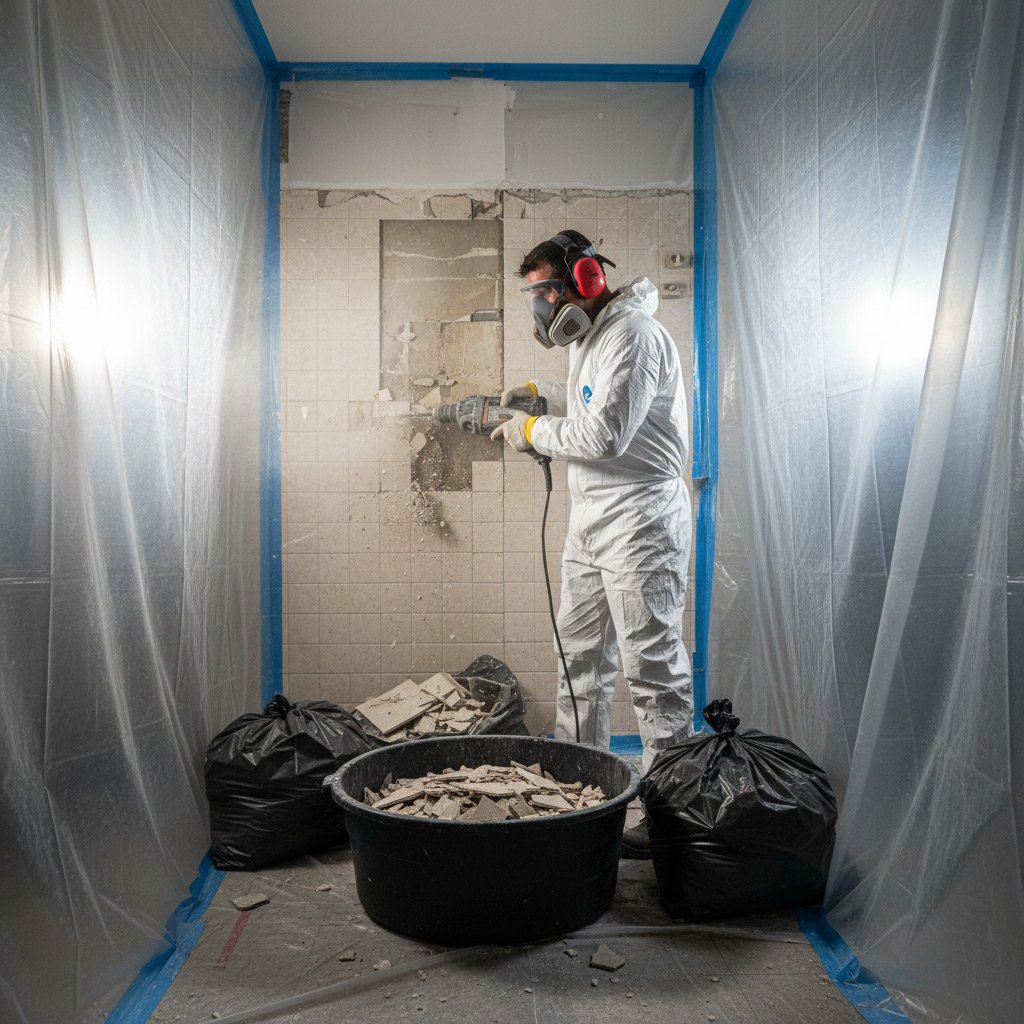
Review Portfolio, References, and Past Project Quality
What a Good Portfolio Looks Like
Ask for a photo gallery that shows *real* jobs, not stock images. You want to see tile seams, grout lines, and the finished shower pan from multiple angles.
Notice the consistency: are the installations clean, straight, and free of gaps? A seasoned installer will have a mix of modest remodels and high‑end custom work.
- Before‑and‑after shots – proof the transformation actually happened.
- Close‑ups of waterproofing layers – the hidden hero that stops leaks.
- Project dates – recent work means they’re up‑to‑code with current Arizona regulations.
References That Speak Volumes
Don’t settle for a generic “happy customer” quote. Call at least two past clients and ask specific questions: Did the installer finish on schedule? Were there any surprise costs?
Pay attention to how quickly the installer responded to concerns. A contractor who follows up promptly is likely to stand behind the work with a solid warranty.
Understand Material Choices and Waterproofing Techniques for Phoenix’s Climate
Choosing Tiles That Beat the Desert Heat
Not all tiles are created equal when the temperature swings from 110°F to 40°F. Porcelain and full‑body ceramic stay dimensionally stable, so you won’t see cracks after a summer scorch.
Natural stone looks great, but only if it’s sealed properly and rated for high‑heat environments. A cheap marble that expands and contracts will pop off the wall faster than you can say “re‑grout.”
- Porcelain: low porosity, excellent for floor and wall.
- Full‑body ceramic: consistent color, handles thermal stress.
- Engineered stone: looks like real stone, but engineered for desert conditions.
Waterproofing That Actually Holds Up
Even the toughest tile won’t save you if water seeps behind it. A solid waterproofing system is non‑negotiable.
Ask your installer to walk you through the three‑layer approach they use:
- Rigid backer board (like cement board) – provides a stable base.
- Liquid waterproofing membrane – creates a seamless barrier.
- Drainage plane (often a sloped mortar bed) – directs water toward the drain.
Look for products with a Class A rating for mold resistance. In Phoenix, that extra protection can mean the difference between a dry shower and a hidden leak that shows up months later.
Heat‑Resistant Grout and Sealers
Grout is the weak link if you pick the wrong type. Epoxy grout resists heat, stains, and moisture far better than traditional cement‑based mixes.
Finish with a penetrating sealer that won’t peel under UV exposure. Re‑apply every 12‑18 months to keep the shower looking fresh and watertight.
Obtain Detailed Written Estimates, Timelines, and Warranty Terms
Get a line‑by‑line quote
Ask the installer to hand you a *paper* (or PDF) that breaks every cost into bite‑size pieces—labor, tile, waterproof membrane, back‑flow preventer, and cleanup. No vague “all‑in” numbers. When you see each component, you can spot hidden fees before they become a surprise.
- Material list with brand and model numbers
- Hourly labor rate vs. flat‑fee charge
- Permit and inspection fees (if applicable)
- Disposal and site‑cleanup costs
Lock down the schedule
Every good contractor will give you a start date, a projected finish date, and key milestones in between. Ask for a calendar view—it’s easier to see when the tile will be set, when the waterproofing cures, and when the final grout sealing happens. If the timeline shifts, a written amendment protects you from endless delays.
Know the warranty inside out
Read the fine print: how long does the installer stand behind the plumbing, the tile work, and the waterproofing membrane? Look for a minimum 12‑month labor guarantee and a manufacturer’s warranty on the shower pan that runs at least five years. A solid warranty means the installer is confident their work will survive Phoenix’s heat and humidity.
Case Study: Custom Tile Shower Installation That Withstood Phoenix Heat and Humidity
The Challenge
When the Martinez family decided to replace their aging tub with a walk‑in tile shower, they feared the desert’s relentless heat would crack the grout and cause leaks. Their old bathroom had seen years of expansion and contraction, and they needed a solution that could survive daily temperature swings.
The Solution
We paired a high‑performance cement board with a liquid waterproofing membrane designed for desert climates. The key steps were:
- Install a vapor‑barrier membrane before any tile work.
- Use ¼‑inch porcelain tiles with a low‑absorption rating.
- Apply a flexible, polymer‑based grout that tolerates movement.
Every joint received a silicone sealant rated for UV exposure, and the shower pan was sloped precisely to direct water toward the drain.
The Outcome
Six months after the install, the Martinez shower shows no cracks, no mold, and no water pooling. The family says the space feels like a spa, and the tiles stay cool underfoot even on the hottest days. We delivered on time, on budget, and with a warranty that covers both materials and workmanship for five years.
Final Words
Even after you’ve signed the contract, keep the paperwork in a folder you can grab at a moment’s notice. Permits, insurance certificates, and the signed warranty are your safety net if something goes sideways.
What to keep on your radar
- Weekly check‑ins during the install – a quick “how’s it looking?” can catch a misaligned tile before it hardens.
- Temperature swings in Phoenix can stress grout; ask the installer to re‑seal after the first 30‑day cure period.
- Ask for a punch‑list before the final walk‑through. Anything missing now is easier to fix than after the crew packs up.
When the job’s done, don’t just walk away. Schedule a New Showers follow‑up inspection to verify that the waterproofing membrane is still intact and that there are no hidden leaks lurking behind the walls.
People Also Ask
What licenses must a shower installer have in Arizona?
A reputable installer should hold a valid Arizona contractor’s license, specifically a C-10 (General Residential) or C-20 (Specialty) license. Verify the license number on the Arizona Registrar of Contractors website to confirm it’s current and in good standing.Why is insurance important when hiring a shower installer?
Insurance protects you from liability if a worker is injured on your property or if accidental damage occurs during the remodel. Ask for a copy of the contractor’s general liability and workers’ compensation certificates before signing a contract.How can I assess a shower installer’s experience with Phoenix’s climate?
Look for installers who specialize in moisture‑resistant waterproofing systems and heat‑tolerant materials, such as epoxy‑based sealants and low‑expansion tile. Ask about past projects that dealt with high temperatures and low humidity typical of Phoenix.What should be included in a written estimate for a new shower?
A detailed estimate should break down labor, materials, permits, and disposal fees, and list a clear project timeline with milestones. It should also outline warranty coverage for both workmanship and installed products.Do I need references before hiring a shower installer?
Yes, request at least three recent references and follow up to ask about the installer’s punctuality, communication, and the durability of the finished shower. Reviewing photos of completed work can also reveal the quality of tile alignment and waterproofing.
Phoenix Bathroom Remodel brings over a decade of specialized bathroom renovation expertise to homeowners across the Valley. Their team combines skilled craftsmanship with a deep understanding of Phoenix’s climate and design trends, ensuring each project blends functionality with lasting style. Committed to personalized service, they guide clients from concept through completion, delivering results that reflect the unique character of the community.
Need Bathroom Remodel?
We restore comfort and functionality to homes in Phoenix (85004, 85016, 85018) and nearby Glendale (85301) and Tempe (85281), delivering solutions within hours. Our technicians arrive promptly, diagnose accurately, and complete repairs so you can resume daily life without delay.
Request Remodel Quote