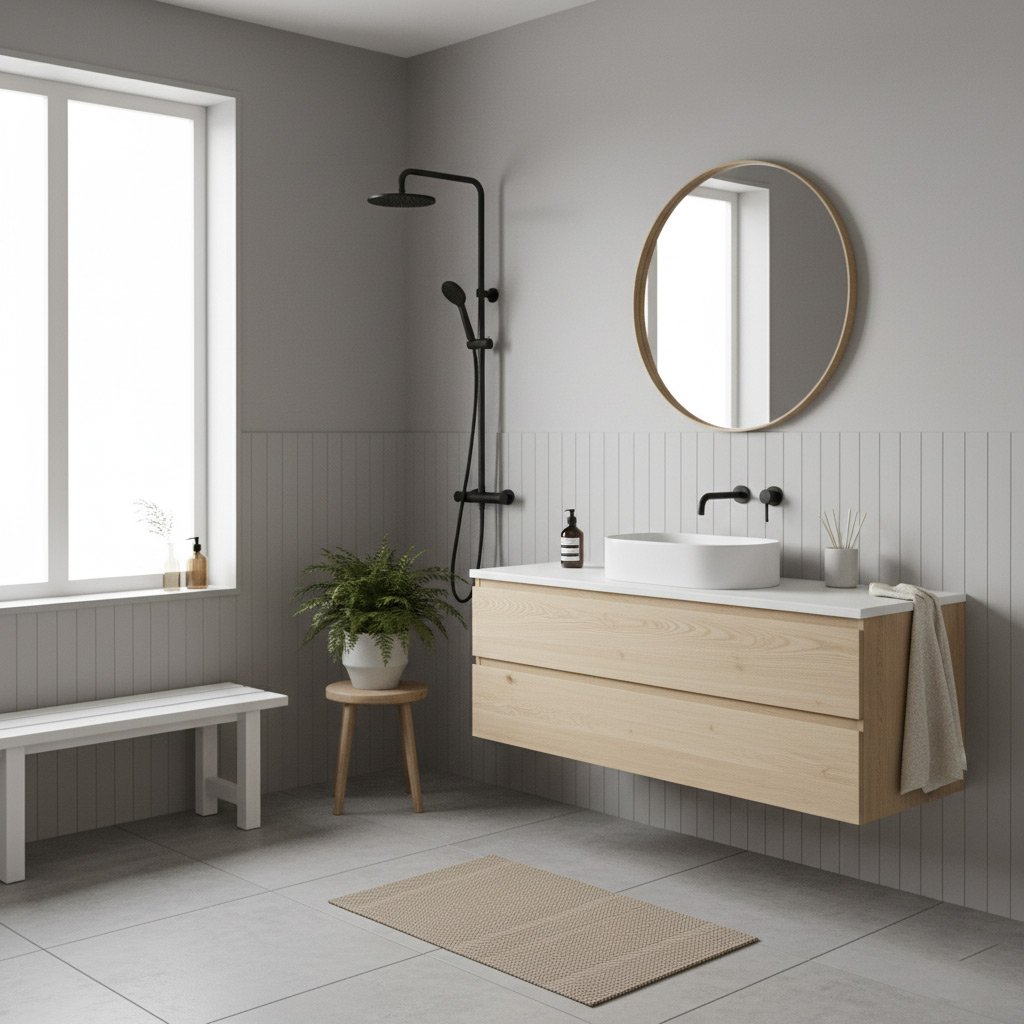
Ever step out of a hot Phoenix shower and notice a damp, musty whiff that makes you wonder if your bathroom is secretly leaking?
Most homeowners think a shower liner is just a cheap plastic sheet, but the right liner can be the difference between a pristine bathroom and a mold‑infested nightmare.
Here in the Valley, scorching summers and hard water turn ordinary liners into ticking time bombs if you don’t know what to look for.
Stick around and I’ll spill the low‑down on the three things nobody tells you about shower liners—so you can finally stop guessing and start fixing.
The Three Main Types of Shower Liners: PVC, CPE, and EVA Explained
When you pick a liner, you’re not just buying a sheet of plastic. You’re choosing a material that will face Phoenix’s scorching heat, hard‑water minerals, and daily foot traffic. The three big players—PVC, CPE, and EVA—each have a personality, and knowing that personality saves you from costly repairs.
PVC (Polyvinyl Chloride)
PVC is the workhorse you see in most budget‑friendly kits. It’s cheap, easy to cut, and holds up well against water pressure. The downside? In 110‑degree summers it can soften, warp, and let water sneak behind the tub.
- Pros: Affordable, widely available, good chemical resistance.
- Cons: Prone to heat‑induced softening, can emit a faint plastic odor.
- Tip: Choose a PVC liner with a 30‑mil thickness for extra rigidity.
CPE (Chlorinated Polyethylene)
CPE is the middle child—more robust than PVC but not as pricey as premium EVA. It stays stiff when the sun beats down, and it resists the gritty grit of hard water. However, it’s a bit heavier, so handling during installation can be a workout.
- Pros: Excellent heat tolerance, strong tear resistance, good UV stability.
- Cons: Heavier, slightly higher cost than PVC.
- Tip: Look for a liner rated for 120°F continuous exposure.
EVA (Ethylene Vinyl Acetate)
EVA is the premium option that many high‑end remodelers swear by. It stays flexible in the heat, resists mold growth, and offers a smooth surface that won’t snag on shower doors. The trade‑off is the price tag, but the longevity often pays for itself.
- Pros: Superior flexibility, excellent mold resistance, long‑term durability.
- Cons: Higher upfront cost, may require professional installation for best results.
- Tip: Opt for an EVA liner with a 40‑mil thickness and a UL‑listed fire rating.
How Phoenix’s Extreme Heat and Hard Water Accelerate Liner Wear
Heat‑Induced Stress
When the desert sun pushes bathroom temps past 100°F, the plastic in PVC, CPE, or EVA liners softens like a rubber band left in a car. That softness means the material stretches, then snaps back, creating micro‑tears you can’t see. Those tiny fissures become entry points for water, and before you know it the liner is sagging.
Mineral Assault from Hard Water
Phoenix’s water is packed with calcium and magnesium. Those minerals act like sandpaper on the liner’s surface every time you shower.
- Surface erosion – the liner loses its smooth coating, making it more porous.
- Stiffening – mineral buildup turns flexible sheets into brittle sheets.
- Adhesive failure – the glue that holds the liner to the tub can’t grip a mineral‑coated surface.
Combine that with daily temperature swings, and you’ve got a perfect storm that shortens a liner’s life from years to months.
Hidden Dangers: Mold, Mildew, and Structural Damage from the Wrong Liner
Mold: The Silent Invader
When a liner can’t breathe, moisture pools behind it like a secret stash. That trapped water becomes a breeding ground for mold spores, and before you know it, the smell of damp rot fills the bathroom.
- Black or green patches on grout
- Musty odor that lingers after the shower
- Itchy skin or sneezing after a hot rinse
Mildew & Decay
Mildew loves the same conditions as mold, but it’s the first sign that the liner is failing. It eats away at the caulk, the tile backer, and eventually the framing studs.
- Caulk cracks and peels
- Tile adhesive loosens, causing tiles to shift
- Wood joists absorb water, leading to rot
Why It Costs More Than You Think
Ignoring these red flags isn’t cheap. A compromised liner forces you to replace not just the sheet, but the entire shower pan, sub‑floor, and sometimes the bathroom’s structural supports.
- Repair bills can jump from $500 to $3,000+
- Insurance may refuse claims if mold isn’t addressed early
- Health risks add hidden expenses—doctor visits, lost work days
What to Look For: Key Features and Ratings That Separate Quality from Cheap
Material Matters
Don’t be fooled by a thin, glossy sheet that looks cheap. The best liners are built from PVC, CPE, or EVA with a minimum thickness of 20 mils—thick enough to resist tears but flexible enough to hug every curve.
Look for a liner that’s labeled “reinforced” or “dual‑layer.” Those terms mean an extra barrier against the hard‑water minerals that love to eat away at cheap plastic.
- 20 mil minimum thickness
- Reinforced or dual‑layer construction
- UV‑stabilized for Phoenix sun exposure
Performance Ratings
Every reputable brand posts a water‑resistance rating (often measured in PSI). Anything under 150 PSI is a gamble in a city where water pressure spikes in the summer.
Warranty length is a quick litmus test. A solid 5‑year warranty signals confidence; a 1‑year promise usually means the manufacturer knows the product won’t survive the desert heat.
- Minimum 150 PSI water‑resistance rating
- At least a 5‑year warranty
- Independent lab certifications (e.g., ASTM, ISO)
Pro‑Level Installation Tips: Sealing, Overlap, and Maintenance for Longevity
Seal the Deal
First thing’s first: use a 100% silicone sealant that’s rated for high‑temperature bathrooms. Don’t skimp on the bead—a thin line looks neat, but a generous bead fills micro‑gaps where water loves to hide.
After you apply, smooth it with a wet finger or a caulk‑smoothing tool. This creates a watertight ridge that won’t crack when the Phoenix sun heats the tile.
Overlap Like a Pro
When you lay the liner, aim for at least a 2‑inch overlap on every wall joint. This extra coverage is the safety net that stops water from seeping behind the liner.
Secure the overlap with a continuous strip of sealant, not just spot‑dots. A solid line of silicone keeps the liner from lifting under the weight of a heavy shower curtain.
Maintenance Hacks That Pay Off
Schedule a quick visual check every three months. Look for any bubbles, peeling edges, or discoloration—these are early warning signs.
When you spot a problem, clean the area with a mild, non‑abrasive cleaner, then re‑apply sealant. A fresh bead of silicone can add years to the liner’s life.
- Keep the shower floor dry after each use; a squeegee does wonders.
- Use a water‑softener if your home has hard water; it reduces mineral buildup on the liner.
- Replace the liner’s edge trim every 2‑3 years to maintain a tight seal.
Case Study: Revamping a Phoenix Home’s Bathroom with a Premium Liner Solution
The Situation
When the Martinez family moved into their 2005 ranch, the master bath looked fine—until the summer heat hit. The old PVC liner cracked within weeks, and hard‑water stains turned the tub base into a chalky mess. They were dealing with:
- Visible gaps where water pooled.
- Persistent mildew smell after every shower.
- Water spots on the tile that wouldn’t rinse off.
The Premium Fix
We swapped the failing sheet for a high‑density EVA liner rated for 120°F water and 300 ppm hardness. The installer pre‑treated the subfloor with a waterproofing membrane, then overlapped the liner 6 in. beyond the curb. A continuous bead of silicone sealed every seam, eliminating any chance of seepage.
Key steps that made the difference:
- Use a self‑adhesive primer to bond the liner to the base.
- Leave a ¼‑inch gap at the drain for proper flow.
- Apply a second silicone coat after the first cures.
The Results
Six months later the Martinez bathroom is still dry, and the air smells clean. Water spots vanished, and the liner shows no signs of wear despite daily 90‑minute showers. The family reports a 30 % reduction in cleaning time and zero mold growth. That’s the payoff of choosing the right liner and installing it like a pro.
Final Words
When you pick a liner that can survive Phoenix’s heat and hard water, you’re buying peace of mind, not just a cheap sheet. The right choice keeps mold at bay, protects your sub‑floor, and saves you from costly repairs down the road.
Quick Checklist Before You Buy
- Material that resists cracking – PVC, CPE, or EVA with a UV‑stabilized core.
- Thickness of at least 20 mil for durability.
- Factory‑tested water‑resistance rating – look for the ASTM D-2266 seal.
- Warranty of 5 years or more – a sign the manufacturer stands behind the product.
Installation isn’t rocket science, but it does demand attention to detail. Overlap seams by at least 6 in., use a silicone sealant rated for high temperatures, and run a water‑test before you finish the tile work. Follow those steps and your liner will outlast the desert summer.
Ready to upgrade? Browse our full range of premium options in the Shower Liners category and let a local pro handle the fit‑and‑finish. Your bathroom will thank you, and you’ll finally stop guessing about what’s really behind that musty smell.
People Also Ask
What is the difference between PVC, CPE, and EVA shower liners?
PVC is the most affordable and widely used, but it can become brittle in extreme heat. CPE offers better flexibility and resistance to cracking, making it ideal for Phoenix’s temperature swings. EVA provides the highest durability and UV resistance, though it comes at a higher price point.How does Phoenix’s hard water affect shower liner lifespan?
Hard water leaves mineral deposits that can erode the liner’s surface and weaken seams over time. These deposits also promote mold growth, shortening the liner’s effective lifespan if not properly sealed.Can the wrong shower liner cause mold and structural damage?
Yes, a low‑quality liner that doesn’t resist moisture can allow water to seep behind it, creating a breeding ground for mold and mildew. Prolonged water intrusion can rot subfloor joists and compromise the bathroom’s structural integrity.What key features should I look for when buying a shower liner in Phoenix?
Seek liners with a high tear‑resistance rating, UV‑stabilized material, and a reinforced seam design. Look for products that carry a warranty of at least 10 years for added peace of mind.Do I need professional installation for a shower liner?
While DIY installation is possible, professional installers ensure proper overlap, airtight sealing, and correct placement of drainage channels. This reduces the risk of leaks and extends the liner’s service life.
Phoenix Bathroom Remodel brings over a decade of specialized bathroom renovation expertise to homeowners across the Valley. Their team combines local knowledge of Phoenix design trends with meticulous craftsmanship to transform spaces efficiently. Committed to personalized service, they guide clients from concept through completion, ensuring each project reflects the unique style of the community.
Need Bathroom Remodel?
We restore comfort and functionality to homes in Phoenix (85004, 85016, 85018) and nearby Glendale (85301) and Tempe (85281), delivering solutions within hours. Our technicians arrive promptly, diagnose accurately, and complete repairs so you can resume daily life without delay.
Request Remodel Quote