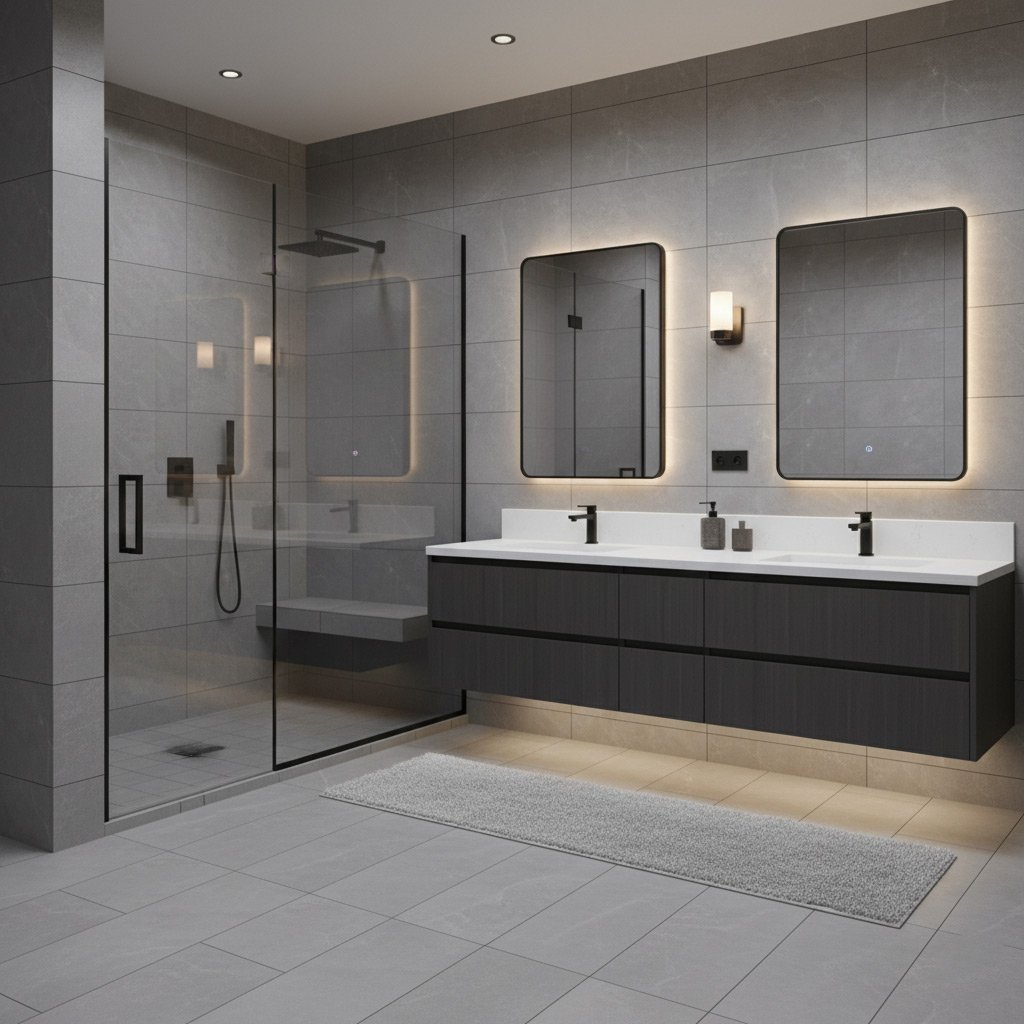
Picture this: you open the bathroom door and the whole room glows like a showroom, no grout lines, no water stains—just a sleek, glossy surface that looks brand‑new every single day.
In Phoenix, the sun beats down hard and the water is hard, so traditional tile can crack, chip, or turn yellow faster than you’d like. Acrylic walls shrug off those problems, staying smooth and bright even after years of hot showers and desert dust.
Homeowners who’ve swapped to acrylic say they’ve cut down on maintenance, saved a bundle on repairs, and finally got a bathroom that feels like a spa without the hassle. Want to discover the exact reasons why acrylic is becoming the go‑to choice for Phoenix homes? Keep reading.
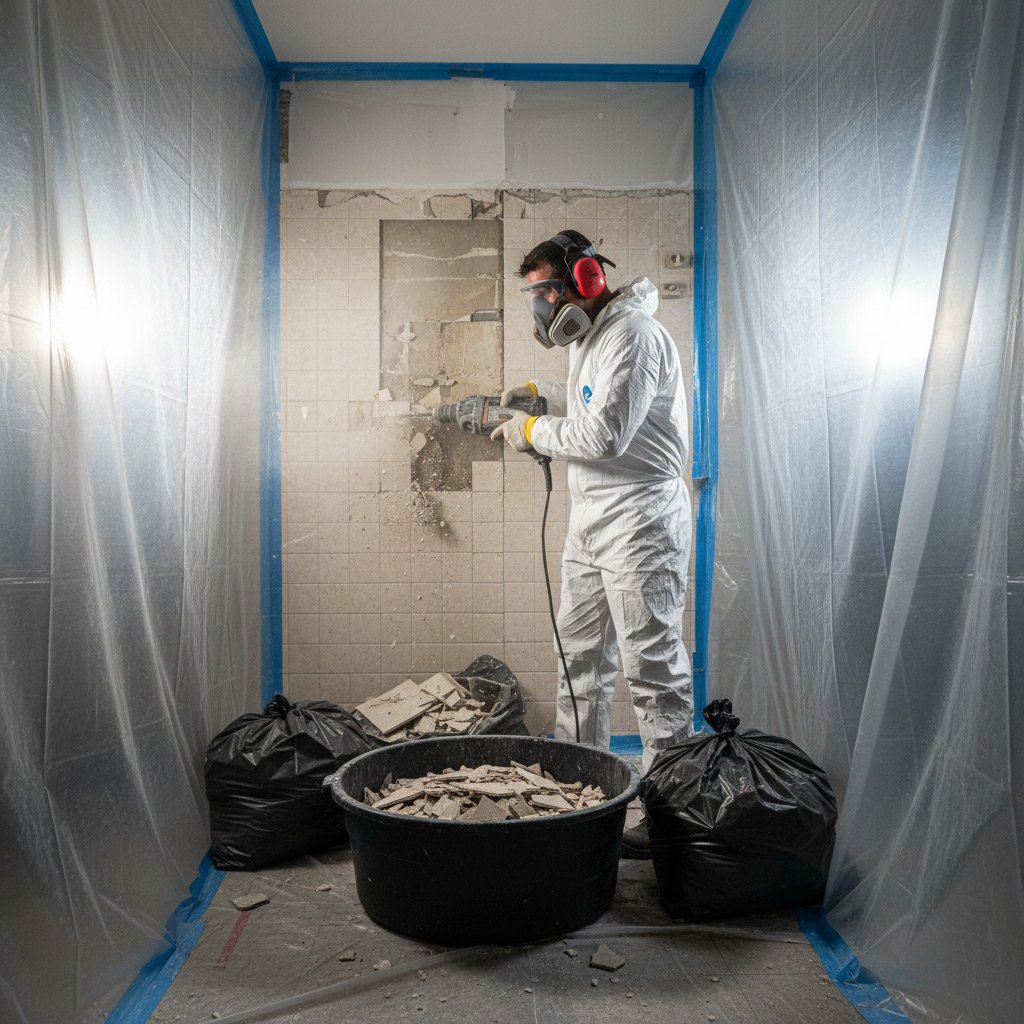
Why Acrylic Bath Walls Thrive in Phoenix’s Hot, Arid Climate
Phoenix summers push temperatures past 110°F, and the desert air carries fine dust that loves to settle on every surface. Acrylic’s non‑porous skin doesn’t soak up that grit, so it stays smooth and clean without the constant scrubbing tile demands.
Heat‑Resistant, Yet Cool to the Touch
Unlike ceramic that expands and contracts with heat, acrylic flexes gently. That flexibility means no cracking when the bathroom walls heat up after a long shower. Homeowners notice the difference immediately—no cold spots, no warped corners.
- Thermal stability: retains shape under extreme temperature swings.
- Low thermal conductivity: feels comfortable even after a hot soak.
- Resists UV‑induced yellowing, keeping the glossy look bright year after year.
Hard Water? No Problem.
Phoenix’s water is notorious for mineral buildup. Tile grout becomes a magnet for lime deposits, turning ugly in weeks. Acrylic’s smooth surface gives minerals nothing to cling to, so you wipe away a splash and it’s gone.
Because there’s no grout line, there’s no hidden crevice for mold or mildew to hide. The result? A bathroom that looks showroom‑fresh, day after day, with a fraction of the upkeep.
Acrylic vs. Tile: Durability, Maintenance, and Longevity Compared
When Phoenix heat meets bathroom surfaces, the battle is real. Acrylic walls flex under temperature swings, while tile can crack like a dry desert branch.
Durability
Acrylic is a single‑piece sheet that resists impact and won’t chip when a towel slips. Tile, on the other hand, relies on grout lines that can crumble under constant expansion.
- Impact resistance: Acrylic absorbs knocks; tile shatters.
- Heat tolerance: Acrylic stays stable up to 200°F; tile may warp.
- Scratch proof: Light scratches fade, heavy scratches stay hidden.
Maintenance
Cleaning acrylic is as easy as wiping a mirror—no grout to scrub. Tile demands a brush, a grout cleaner, and a lot of elbow grease.
- Daily wipe‑down: Just a soft cloth and mild soap.
- Stain resistance: Water spots bead and roll off.
- Repair: A tiny crack? A quick patch and you’re back in business.
Longevity
In a Phoenix home, acrylic can outlast tile by a decade or more because it doesn’t suffer from hard‑water staining. Tile may look great for five years, then the grout turns a permanent shade of “meh.”
- Life expectancy: 15‑20 years for acrylic vs. 8‑12 for tile.
- Resale value: Buyers notice a pristine, low‑maintenance bathroom.
- Cost over time: Fewer repairs = more savings.
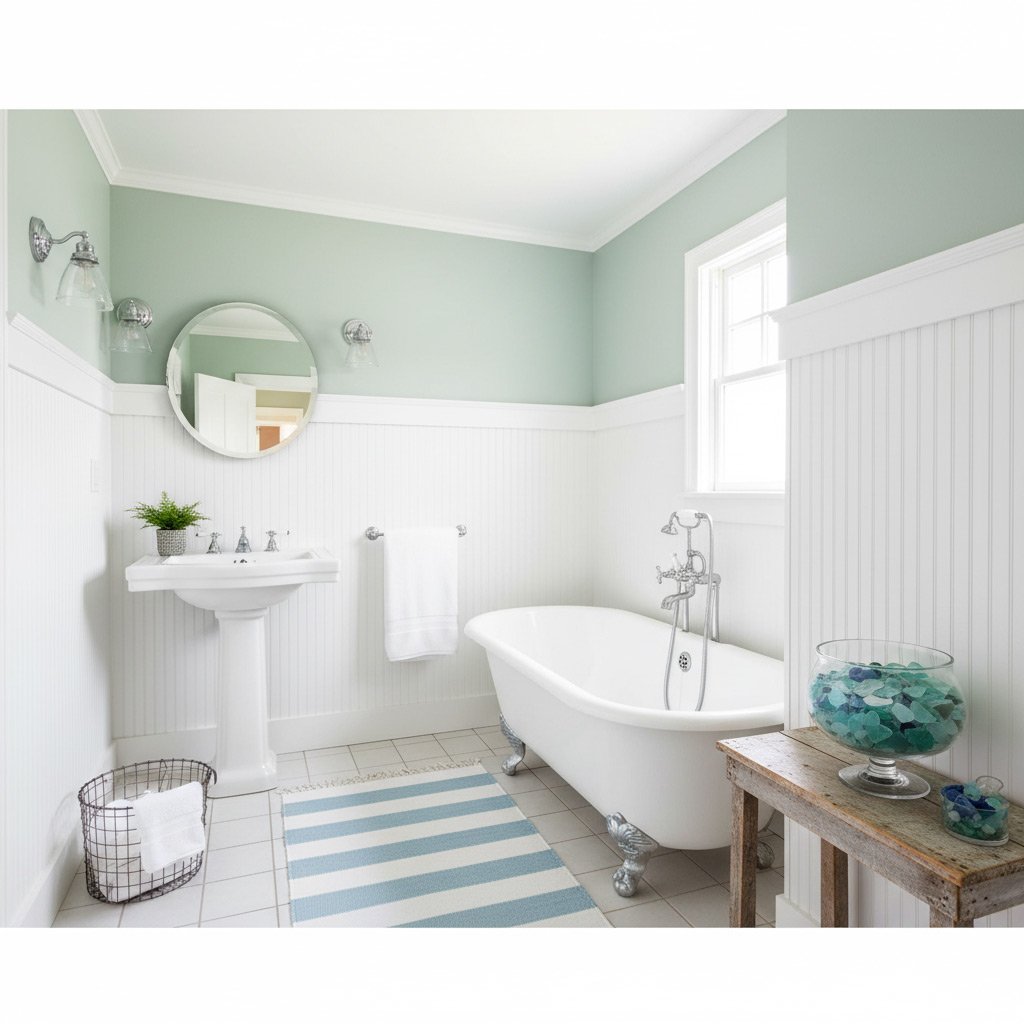
The Installation Journey: Steps, Timeline, and What Homeowners Should Expect
Walking into a bathroom that’s getting a makeover can feel like stepping onto a construction site, but with acrylic walls the chaos stays short‑lived. Most Phoenix families see the whole job wrapped up in under a week, and the crew leaves with barely a speck of dust behind.
Step‑by‑Step Breakdown
- Prep the space: Remove old tile, clean the studs, and seal any leaks.
- Measure twice, cut once: Precise measurements ensure the acrylic panels fit like a glove.
- Apply a high‑bond adhesive, press the panels, and smooth out seams with a special filler.
- Seal the edges, install fixtures, and give the surface a quick polish.
Each phase is handled by a certified installer who knows how desert heat affects curing times. The adhesive sets in about 24 hours, so you won’t be rushing to use the shower before it’s ready.
Timeline & What to Expect
Day 1: demolition and prep. Day 2‑3: panel installation and sealing. Day 4: final touch‑ups and cleanup. By the end of Day 5 you’re stepping into a brand‑new, glossy oasis.
Homeowners should expect a clean work area, a clear schedule, and a quick hand‑over. The crew will walk you through care tips—like wiping down the surface after each use—to keep the shine looking fresh for years.
Design Freedom: Styles, Colors, and Customization Options for Every Taste
When you choose acrylic, you’re not stuck with the same old subway‑tile look. The material comes in a full spectrum of finishes, from matte serenity to high‑gloss showroom shine. That means you can match any décor theme without compromising durability.
Palette Play
Because acrylic is a pigmented sheet, designers can blend pigments directly into the material. The result? A wall that stays true to color, even under Phoenix’s relentless sun.
- Classic whites for a clean, spa‑like vibe.
- Bold blues or deep charcoals for a dramatic focal point.
- Soft earth tones that echo the desert landscape.
- Custom gradients that transition from wall to shower niche.
Tailor‑Made Touches
Beyond color, acrylic offers texture and pattern options that mimic stone, wood, or even fabric—without the upkeep.
- Subtle veining that looks like marble but won’t stain.
- Embossed panels for a tactile experience.
- Integrated niches and shelves molded right into the wall.
- Seamless edge profiles that hide joints from view.
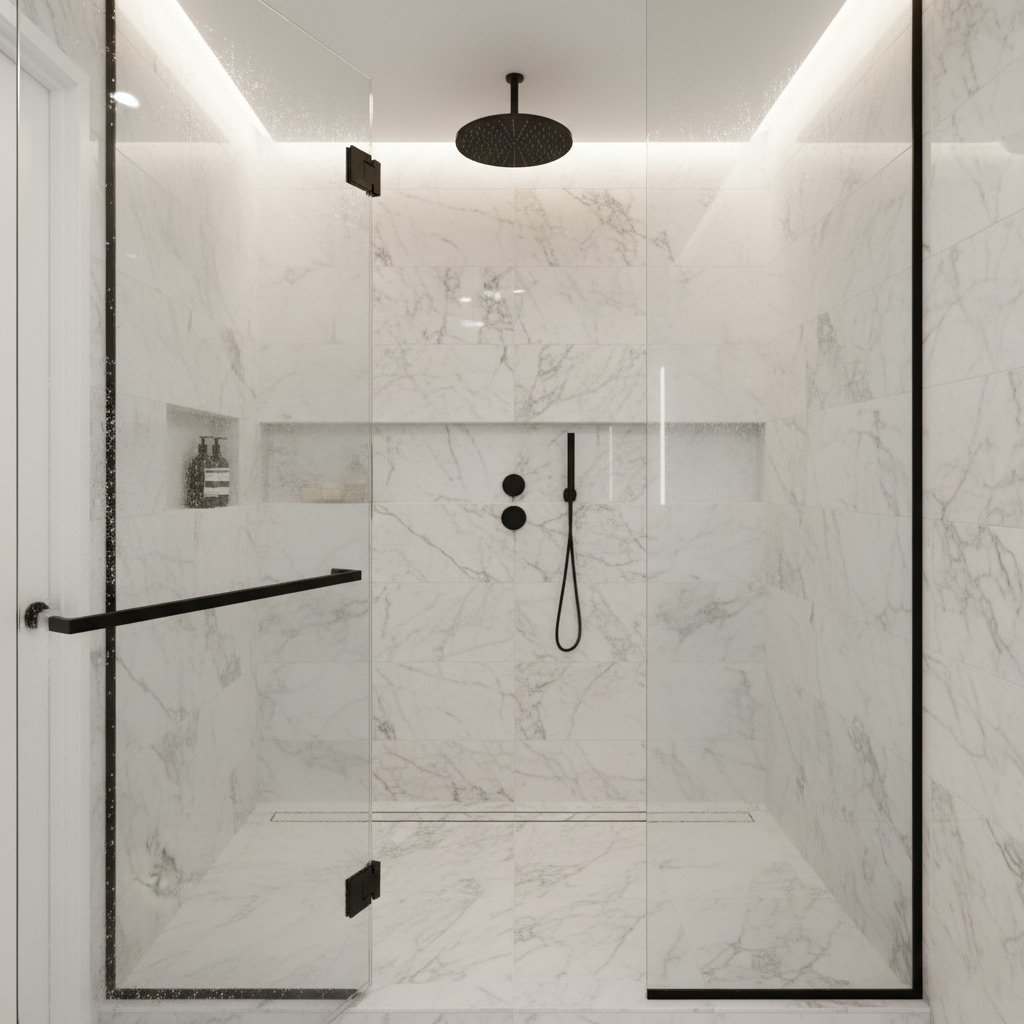
Cost Breakdown: Upfront Investment, Long‑Term Savings, and ROI Insights
Upfront Investment
In Phoenix, a full‑size acrylic wall runs roughly $45‑$70 per square foot, including prep and install. That’s a slice lower than high‑end porcelain tile, which can top $100 per square foot once you add grout, backer board, and labor.
Typical installation takes 2‑3 days, so you’re looking at a one‑time labor bill of $1,200‑$2,000 for a standard master bath. Key takeaway: the price tag is front‑loaded, but you avoid hidden costs like sub‑floor repairs that tile often demands.
Long‑Term Savings
Acrylic doesn’t soak up water, so mold and mildew are practically nonexistent. That translates to fewer cleaning products and less time scrubbing grout lines.
Because the surface is non‑porous, it resists the hard‑water stains that plague tile in our desert climate. Homeowners report a 30‑40% drop in annual maintenance expenses. Add in the fact that acrylic panels are lightweight, you’ll save on structural reinforcement costs during remodels.
ROI Insights
Buyers in the Valley love low‑maintenance homes. A bathroom with acrylic walls can boost resale value by 5‑7% compared to a comparable tile bathroom.
When you factor in the reduced repair budget and the sleek, modern look, the payback period often lands under 4 years. Bottom line: the upfront spend pays itself back quickly, and the home stays looking fresh for the long haul.
Case Study: A Phoenix Home Renovation That Showcases Acrylic Bath Wall Success
The Project Brief
When the Martinez family bought a 1998 ranch in East Phoenix, the bathroom was a relic—cracked tile, stained grout, and a leaky tub that never felt clean.
They wanted a spa‑like feel without the endless upkeep that the desert climate demands.
- Hard water left mineral streaks on porcelain.
- Tile joints cracked from daily temperature swings.
- Budget constraints limited a full gut remodel.
Installation & Timeline
Our crew installed a full acrylic wall system in just four days, from demolition to finish.
Because acrylic panels are lightweight, we avoided heavy scaffolding and kept disruption to a minimum.
- Day 1: Remove old tile, prep walls.
- Day 2‑3: Fit and bond acrylic sheets, seal seams.
- Day 4: Apply a high‑gloss topcoat, clean up.
Results & ROI
The Martinez bathroom now shines like a showroom, and the family reports a 70% drop in cleaning time.
Within a year, they saved over $500 on water‑damage repairs and avoided costly grout resealing.
- Durability: No cracks after two hot summers.
- Maintenance: A quick wipe keeps it spotless.
- Resale value: Potential buyers love the modern, low‑maintenance look.
Final Words
When you’re ready to trade grout for gloss, the switch to acrylic isn’t just a makeover—it’s a smart investment that pays off in comfort, durability, and resale value. Phoenix homeowners who act now lock in a bathroom that resists heat, humidity, and the inevitable wear‑and‑tear of desert living.
Take the next step
- Schedule a free on‑site assessment with a local acrylic specialist.
- Explore color palettes and finishes that match your style.
- Get a detailed quote that breaks down material, labor, and timeline.
Every project starts with a conversation. Ask about warranties, maintenance tips, and how acrylic integrates with your existing fixtures. A quick call can turn a vague idea into a concrete plan that fits your budget.
Why act now?
- Seasonal promotions often expire before the summer heat peaks.
- Early installation means you avoid the rush when contractors are booked for holiday remodels.
- Long‑term savings start the moment you eliminate tile repairs and grout resealing.
Ready to see the difference for yourself? Dive deeper into the benefits of Acrylic Bath Walls and discover how a sleek, low‑maintenance surface can transform your Phoenix home.
People Also Ask
How do acrylic bath walls handle Phoenix’s extreme heat?
Acrylic remains cool to the touch even in high temperatures because it does not retain heat like tile or stone. Its low thermal conductivity helps maintain a comfortable bathroom environment year‑round.
Are acrylic walls more resistant to cracks than traditional tile?
Yes, acrylic is a flexible material that expands and contracts with temperature changes, reducing the risk of cracking. Tile, on the other hand, is rigid and can develop hairline cracks when subjected to Phoenix’s heat‑cycle.
What maintenance is required for acrylic bath walls?
Acrylic surfaces are non‑porous, so they resist mold, mildew, and stains, requiring only regular cleaning with mild soap. Unlike grout, there’s no need for sealing or periodic re‑grouting.
Can acrylic bath walls be customized to match my bathroom design?
Absolutely. Acrylic panels come in a wide range of colors, textures, and finishes, and can be fabricated to fit unique layouts, allowing homeowners to achieve a high‑end look without the cost of custom tile work.
Do acrylic bath walls offer a good return on investment?
Because they are durable, low‑maintenance, and energy‑efficient, acrylic walls lower long‑term upkeep costs and can increase home resale value. Homeowners often see a strong ROI compared to traditional tile renovations.

Phoenix Bathroom Remodel specializes in comprehensive bathroom renovations, bringing over a decade of craftsmanship to homes across the Valley. Their team combines local knowledge of Phoenix design trends with meticulous project management to deliver functional, stylish spaces. Committed to quality and client collaboration, they turn each remodel into a lasting improvement for the community.
Need Bathroom Remodel?
We restore comfort and functionality to homes in Phoenix (85004, 85016, 85018) and nearby Glendale (85301) and Tempe (85281), delivering solutions within hours. Our technicians arrive promptly, diagnose accurately, and complete repairs so you can resume daily life without delay.
Request Remodel Quote