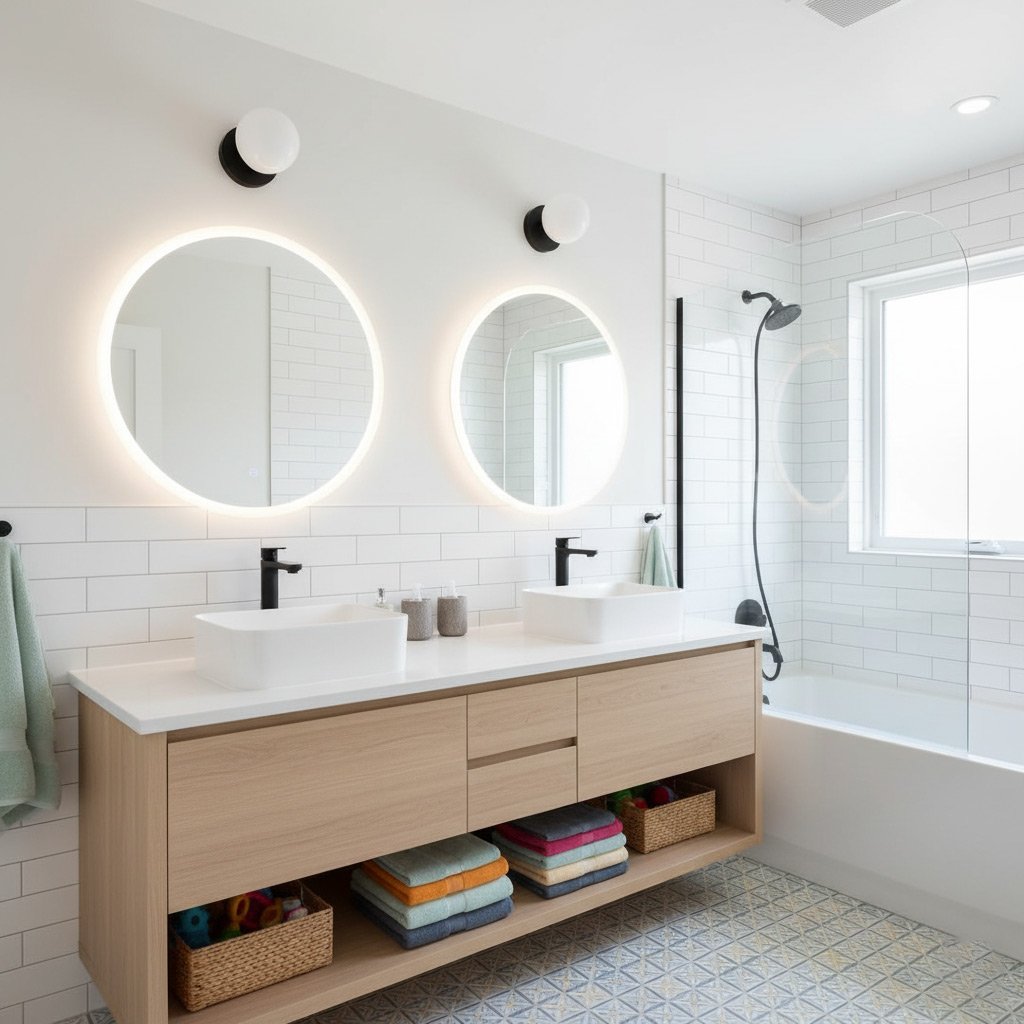
Picture this: you pull the shower curtain aside and step straight into a modern, water‑savvy shower that feels like a spa, while the old tub that hogged half the bathroom disappears without a trace.
In Phoenix, where the sun blazes and every drop of water counts, swapping a tub for a shower isn’t just a style move—it’s a smart, space‑saving upgrade that cuts down on heating bills and gives you room to breathe.
We’ve broken down every decision, from choosing the right shower pan to handling the plumbing quirks of desert homes, so you can go from “maybe” to “done” without a hitch. Keep reading and you’ll see exactly how to turn that outdated tub into a sleek shower that fits your lifestyle and budget.
Assessing Your Space & Budget: Key Considerations for Phoenix Homes
Measure the Footprint
First thing’s first—grab a tape measure and map out the exact dimensions of your current tub area. Every inch counts when you’re swapping a bulky tub for a sleek shower pan, especially in Phoenix homes where bathrooms often double as storage closets.
Check ceiling height, door swing, and any protruding fixtures. If the shower will sit under a window, note the clearance needed for a rain‑shower head or a built‑in bench.
Set a Realistic Budget
Know what you’re willing to spend before you fall in love with marble tiles. A typical tub‑to‑shower conversion in Phoenix runs between $5,000 and $12,000, but the final number hinges on three main drivers:
- Shower base material – acrylic, tile‑over‑foam, or custom stone.
- Plumbing reroute – older homes often need new vent lines.
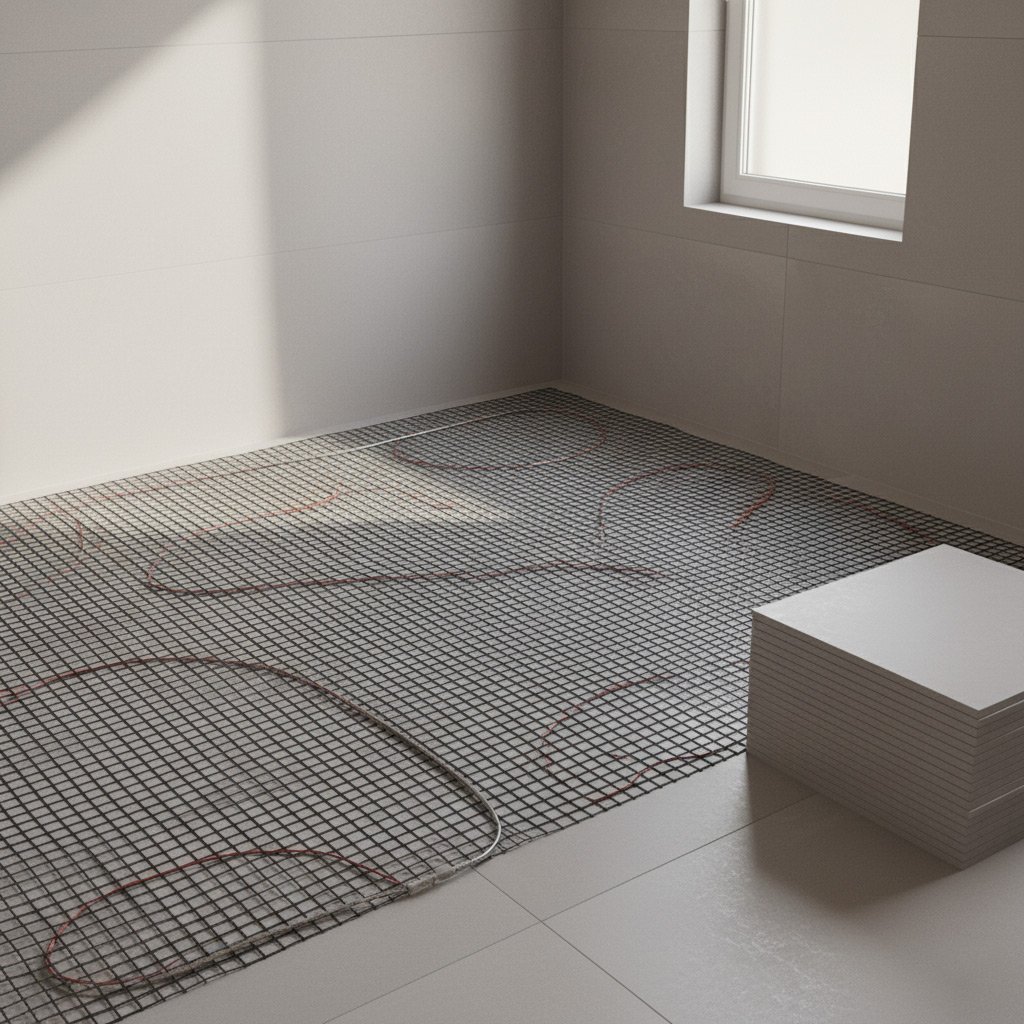
- Finishes – high‑end fixtures and heated floors can double the cost.
Factor in a 10‑15% contingency for unexpected code upgrades or desert‑specific moisture barriers. A clear budget keeps the project moving forward without surprise invoices.
Choosing the Perfect Shower Base & Drain System for Desert Climate
In Phoenix the ground can swing from scorching to chilly in a flash, so your shower base needs to be a rock‑solid performer. Cast‑iron holds heat like a champ, letting the water stay warm a few seconds longer—great for those early‑morning showers. Acrylic is lighter, easier to install, and won’t crack under the desert’s expansion‑contraction cycle.
What to Look for in a Base
- Thermal mass: heavier materials keep water warm, saving energy.
- Slip resistance: textured surfaces prevent accidents on wet tiles.
- Size flexibility: a custom cut can fit odd‑shaped bathrooms without wasting space.
When it comes to drainage, a linear drain is the desert‑friendly hero. It runs along one wall, giving you a sleek look and a faster water exit—no puddles lingering in the heat. A traditional point drain works, but you’ll need a steeper slope, which can feel uncomfortable underfoot.
Drain System Tips
- Choose a linear drain with a low profile to keep the floor level even.
- Opt for a stainless‑steel grate; it resists rust from occasional humidity spikes.
- Make sure the drain’s PVC pipe is rated for high‑temperature water to avoid warping.
Plumbing Adjustments: Rerouting Water Lines & Venting in Older Homes
Older Phoenix houses often hide a maze of copper and PVC that wasn’t designed for a modern, low‑flow shower. Before you start tearing out tile, locate the main supply shut‑off and map the existing pipe runs. A quick visual inspection can save you from nasty surprises once the tub is gone.
Rerouting Water Lines
When the tub’s faucet disappears, you’ll need a new manifold that feeds a handheld shower, a rain‑head, and possibly a built‑in bench. The trick is to keep the runs as short as possible to preserve pressure in the desert heat.
- Identify the nearest cold‑water riser. Tap into it with a shark‑bite fitting if you’re comfortable with a quick DIY fix.
- Run new PEX tubing to the shower wall, securing it every 12‑18 inches with clamps.
- Install a dedicated shut‑off valve for the shower; it makes future maintenance a breeze.
Venting the New Shower
Older homes often skip vent stacks for tubs, assuming the drain will do the job. A shower, however, pushes more air and steam, so a proper vent is non‑negotiable.
Run a 2‑inch PVC vent pipe from the new shower drain up to the roof or tie into an existing vent line. If the roof is out of reach, a air admittance valve can be a legal, space‑saving alternative. Seal every joint with silicone to keep the desert dust out.
Selecting Tiles, Walls & Water‑Saving Fixtures That Beat the Heat
Tile choices that stay cool under the Phoenix sun
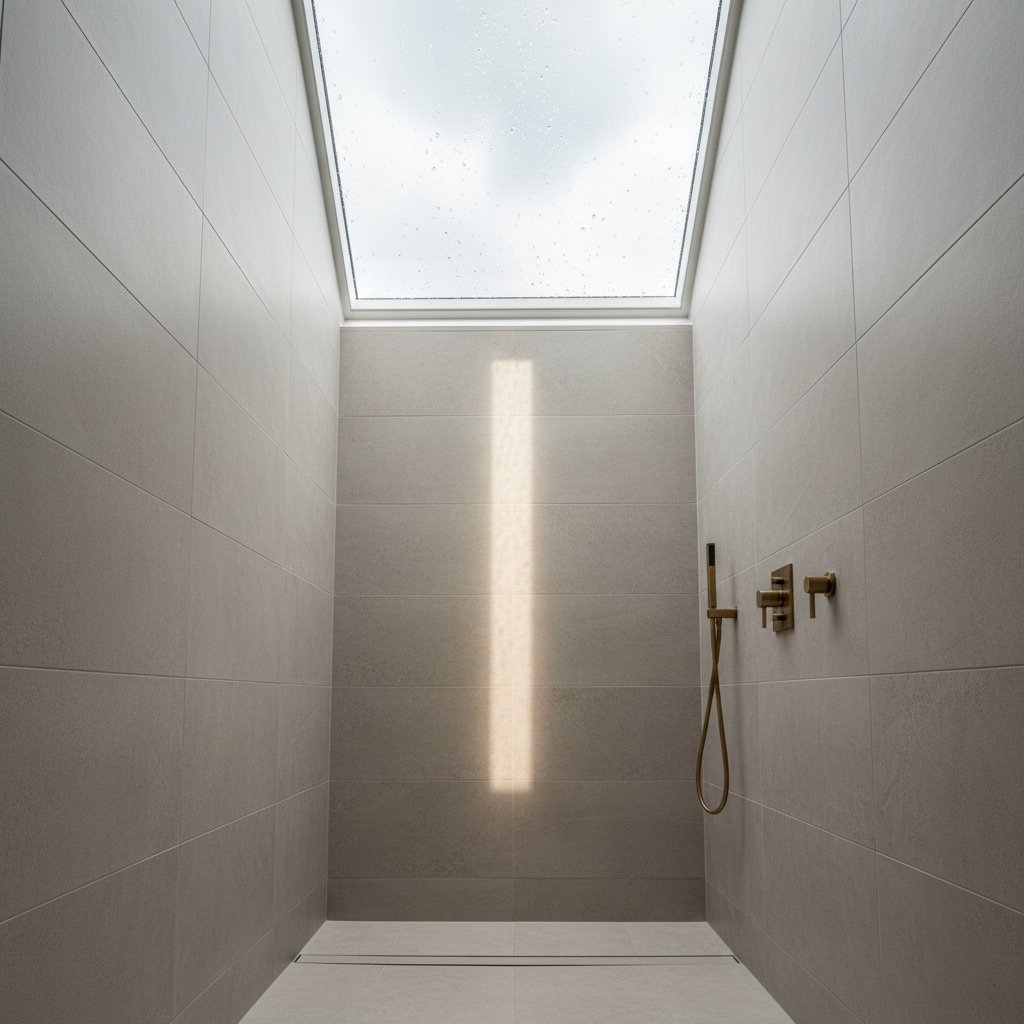
Porcelain and ceramic tiles are the go‑to for desert bathrooms because they absorb less heat than natural stone. Look for a matte finish – it feels cooler under bare feet and hides water spots.
Consider these smart options:
- Large‑format porcelain – fewer grout lines, easier cleaning.
- Glazed ceramic with a low‑gloss sheen – adds a subtle shine without trapping heat.
- Quarry tile in a light sand tone – blends with the desert palette and stays comfortably cool.
Wall coverings that resist moisture and heat
Water‑resistant drywall with a vapor barrier is a must before you get creative with finishes. Fiber‑cement board works great behind tile or stone veneer and won’t warp in the heat.
For a splash of style without the upkeep, try:
- Large‑scale, moisture‑proof wallpaper in muted earth tones.
- Glass panels with a frosted finish – they reflect light and keep the space feeling airy.
- Simple, paint‑ready cement board that you can seal with a high‑quality bathroom paint.
Water‑saving fixtures that still feel luxurious
Modern low‑flow showerheads can deliver a rain‑like experience while using 30% less water. Look for a pressure‑boost model if your home’s water pressure is on the low side.
Don’t forget these accessories:
- Thermostatic valve – locks in your preferred temperature, no guesswork.
- Dual‑function handheld wand – great for rinsing and cleaning the tub‑to‑shower area.
- LED‑lit faucet – adds a spa vibe and uses virtually no extra power.
Designing for Accessibility & Luxury: Layout, Seating, and Lighting Tips
Smart Layout
First, map out a clear path from the door to the shower entrance. Leave at least 36 inches of unobstructed floor so a wheelchair or a stroller can glide without scraping.
Next, think about the shower’s “wet zone.” Keep the controls and grab bars inside that zone so water never drips onto the dry floor. It’s a simple trick that saves you from slip‑and‑slide moments.
- Place the shower head at a comfortable height—around 78 inches for most adults.
- Install a low‑profile curb or a curbless pan for easy roll‑in access.
- Consider a recessed niche for shampoo; it keeps the floor clear.
Seating that Serves
A built‑in bench isn’t just a luxury; it’s a lifesaver for seniors and anyone who likes to sit while lathering up. Choose a bench that’s water‑proof and anchored to the wall for stability.
For a touch of spa‑feel, add a removable stool with a non‑slip surface. It can be tucked away when you don’t need it, keeping the shower looking sleek.
- Bench depth: 12‑14 inches—enough to sit comfortably without crowding the space.
- Material: teak or marine‑grade acrylic for durability in the desert heat.
- Finish: rounded edges to prevent bruises.
Light It Right
Good lighting does more than brighten the room; it sets the mood. Layer your lighting: a soft overhead LED, a focused accent strip around the niche, and a dimmable vanity light for grooming.
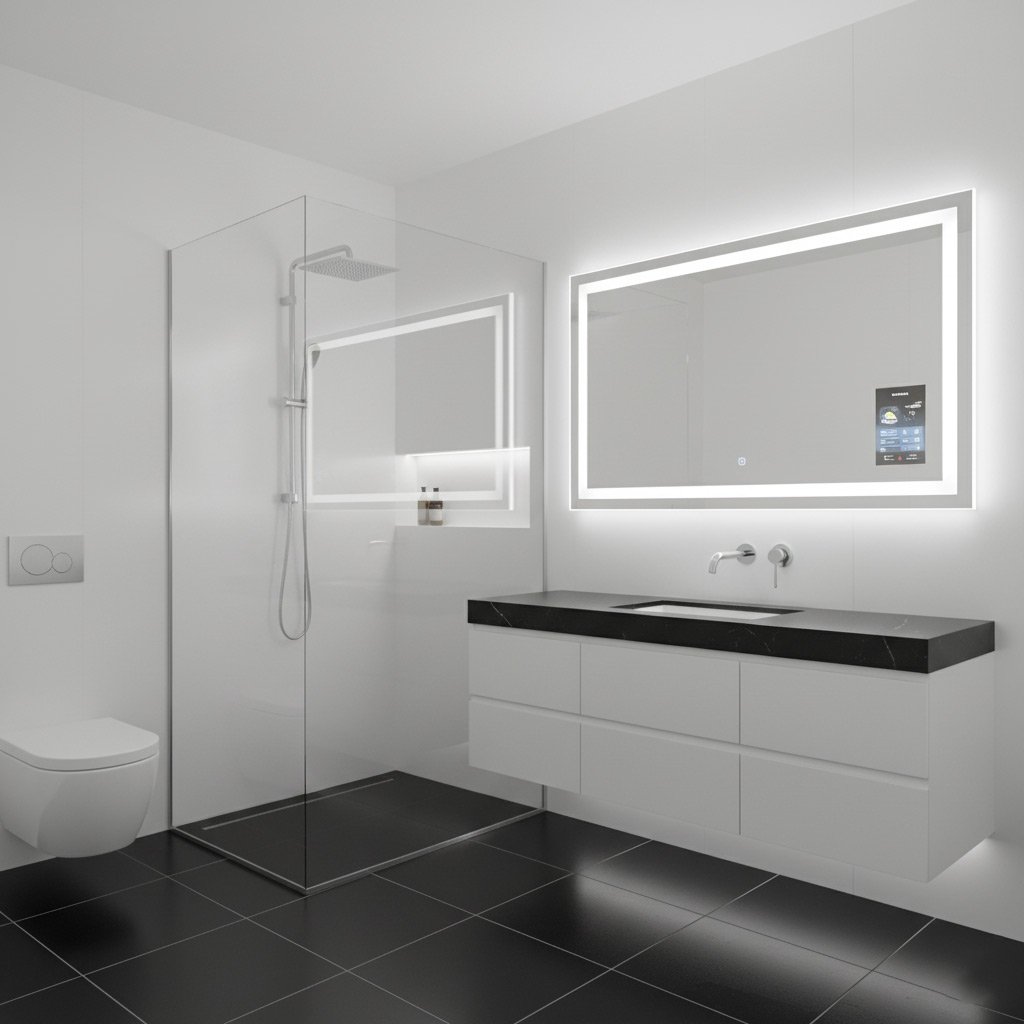
Don’t forget the power of mirrors with built‑in LEDs. They bounce light, make the space feel larger, and help you shave without shadows.
- Use a CRI 90+ LED for true color rendering.
- Install a motion sensor for hands‑free operation.
- Choose a warm 3000K hue to counter the desert’s harsh glare.
Case Study: Transforming a 200‑sq‑ft Phoenix Bathroom – From Tub to Spa‑Ready Shower
The Starting Point
When the Martinez family called, their 200‑sq‑ft bathroom was a cramped relic: a deep claw‑foot tub, cracked tile, and a leaky faucet that dripped like a metronome. Space was at a premium, and the desert heat made the tub feel like a sauna.
Key pain points we tackled:
- Limited floor area – the tub ate up 40% of usable space.
- Outdated plumbing – copper lines corroded from years of hard water.
- Energy waste – heating a full tub in Phoenix summer burned cash.
Design Decisions & Execution
We swapped the tub for a sloped acrylic shower base with a linear drain that channels water quickly, perfect for the dry climate. The base sits on a pre‑sloped mortar bed, eliminating the need for a separate shower pan.
Tile selection mattered. We chose a matte, porcelain tile in a light sand hue that reflects sunlight without glare. The wall was clad in a large‑format, water‑resistant ceramic that reduces grout lines and cleaning time.
Water‑saving fixtures were a must. A low‑flow, thermostatic shower valve keeps the temperature steady while cutting water use by 30%. A recessed niche holds shampoo and soap, keeping the shower sleek and functional.
Results & Takeaways
Installation wrapped in just ten days, well under the projected three‑week window. The family saved roughly $150 per month on water heating, and the new layout added an extra 30 square feet of walking space.
“It feels like a mini‑spa every morning,” the Martinezes said, noting the immediate boost in home value. Bottom line: a smart tub‑to‑shower conversion can turn a cramped desert bathroom into a luxurious, efficient retreat without breaking the bank.
Final Words
Now that you’ve got the playbook, the real work starts when you pick a contractor who knows Phoenix’s heat and the quirks of older plumbing. Don’t settle for a quote that skips the drain slope check—that’s where leaks love to hide.
What to do next
- Schedule a free on‑site assessment. A quick walk‑through can reveal hidden joist issues before you cut any tile.
- Ask for a detailed material list. Knowing the exact shower base, tile, and fixture brands helps you compare apples to apples.
- Get a written timeline. In the desert, weather delays are rare, but a clear schedule keeps the crew on track.
When you’re ready to dive in, explore more tips and real‑world examples in our Tub to Shower Conversion hub. It’s packed with before‑and‑after photos, cost breakdowns, and the kind of insider advice that turns a “maybe” into a “done.”
People Also Ask
What is the average cost to convert a tub to a shower in Phoenix?
The conversion typically ranges from $4,000 to $9,000, depending on the size of the bathroom, choice of materials, and any necessary plumbing upgrades. Labor costs in Phoenix are slightly higher than the national average due to local demand.Do I need a permit for a tub‑to‑shower conversion in Phoenix?
Yes, most Phoenix municipalities require a building permit for any plumbing or structural changes. Obtaining the permit ensures the work meets city codes and protects your home’s resale value.How can I choose a shower base that handles Phoenix’s desert heat?
Select a low‑profile, waterproof acrylic or stone base with a sloped design for efficient drainage. Look for products rated for high temperature fluctuations to prevent cracking.Can I keep my existing bathtub plumbing when converting to a shower?
In many cases, the existing drain can be reused, but the water supply lines often need rerouting to accommodate a new shower valve and mixer. A licensed plumber can assess whether the current setup meets code.What tile options are best for a Phoenix bathroom remodel?
Porcelain or glazed ceramic tiles are ideal because they resist heat, moisture, and staining. Choose light‑colored or reflective tiles to keep the space cooler and visually larger.
Phoenix Bathroom Remodel brings over a decade of specialized bathroom renovation expertise to homeowners across the Valley. Their team combines local knowledge of Phoenix design trends with meticulous craftsmanship to transform spaces efficiently. Committed to personalized service, they guide clients from concept through completion, ensuring each project reflects the unique lifestyle of the desert community.
Need Bathroom Remodel?
We restore comfort and functionality to homes in Phoenix (85004, 85016, 85018) and nearby Glendale (85301) and Tempe (85281), delivering solutions within hours. Our technicians arrive promptly, diagnose accurately, and complete repairs so you can resume daily life without delay.
Request Remodel Quote