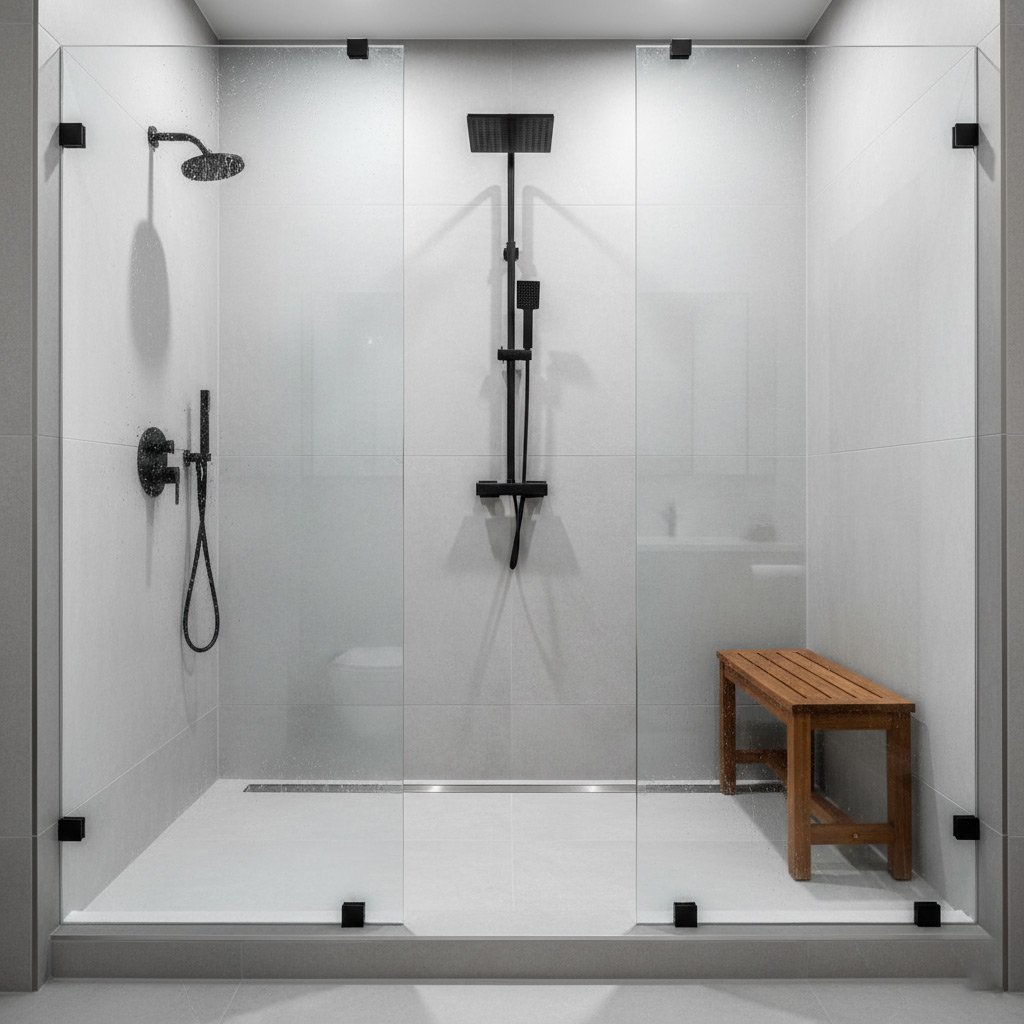
Picture this: you slide into a walk‑in tub that feels like a spa retreat, and the whole thing was installed without a single surprise bill or a month‑long delay.
Too many homeowners rush the project, pick the cheapest fixtures, or ignore the little details that can turn a dream bathroom into a headache. The result? Leaks, code violations, and a tub that looks great but doesn’t work for you.
Living in Phoenix adds its own twist—blazing summers, strict water‑use rules, and a building code that doesn’t forgive shortcuts. One wrong move and you could be paying for a remodel you never asked for.
Ready to dodge the common traps and get a walk‑in tub that actually adds value and comfort? Keep reading and discover the exact steps you need to take.
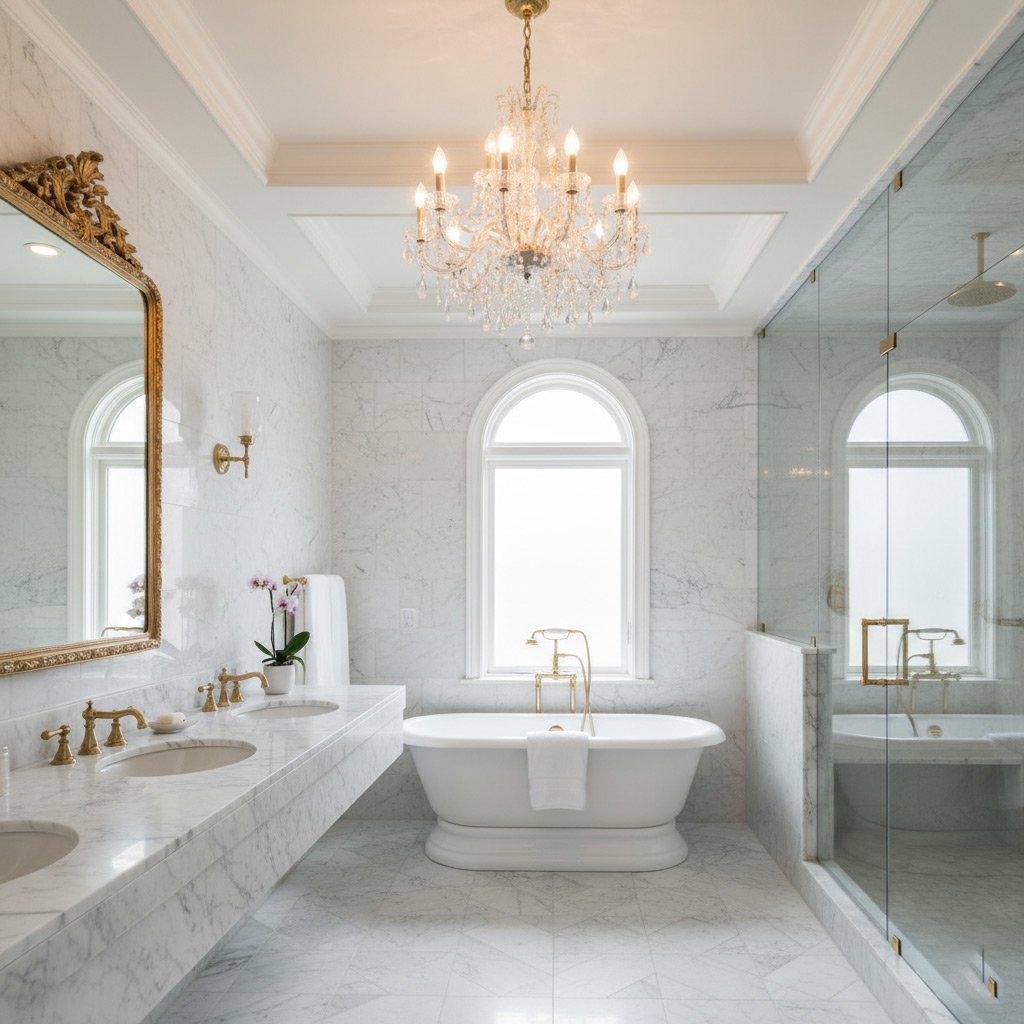
Understanding Phoenix Building Codes and Water‑Use Regulations for Walk‑In Tubs
Before you even pick a tub, you’ve got to know the rulebook that Phoenix enforces. The city follows the 2018 International Residential Code (IRC) with local amendments, and every new bathroom addition must pass a permit review. Skipping this step means you could be hit with a stop‑work order, fines, or a forced tear‑down later.
Key Code Must‑Knows
- Clearance requirements: Minimum 30‑inch side clearance and 21‑inch headroom are non‑negotiable.
- Floor slope: A 1/4‑inch per foot slope toward the drain is mandatory to prevent pooling.
- Backflow protection: The city demands a dual‑check valve on any new tub supply line.
Water‑use rules in Arizona are just as strict, especially during drought declarations. The Arizona Department of Water Resources caps flow rates for new fixtures, and a walk‑in tub must meet the Maximum Allowable Flow Rate of 2.5 gpm for the faucet and 1.5 gpm for the showerhead.
Compliance Checklist
- Submit a detailed plumbing diagram with your permit application.
- Install a low‑flow faucet or a pressure‑assist system that stays under the flow limit.
- Schedule the required inspection within 30 days of installation to keep the project on track.
Selecting the Ideal Walk‑In Tub Model for Arizona’s Climate and Accessibility Needs
Arizona’s heat isn’t just outside the door; it seeps into every surface in your bathroom. Choose a tub with thermal‑insulated walls and a low‑E glass door to keep the water warm longer and cut down on energy bills. Look for a model that offers a built‑in heater that can be set to a modest 90°F—enough to feel soothing without turning your bathroom into a sauna.
Climate‑Smart Materials
Not all tub shells are created equal. Acrylic and reinforced fiberglass are light, resist cracking from temperature swings, and are easy to repair. If you want a premium feel, consider a solid‑surface acrylic with a ceramic‑coated interior; it repels mineral buildup from Phoenix’s hard water.
- Low‑temperature expansion joints
- UV‑stable exterior finish
- Integrated water‑conservation pump
Accessibility Must‑Haves
Safety isn’t an afterthought—it’s the foundation. A tub with a low entry threshold (no higher than 4‑5 inches) lets seniors and those with limited mobility step in without a stumble. Handrails should be positioned at the front and side, with a weight‑capacity rating that exceeds your household’s needs.
- Non‑slip floor surface
- Adjustable headrest for neck support
- Easy‑reach control panel (large icons, tactile buttons)
Finally, match the tub’s style to your home’s vibe. A sleek, rectangular design pairs well with modern tile, while a rounded, freestanding model adds a spa‑like aura to a traditional layout. The right model feels like it was built for Phoenix—tough, efficient, and ready for anyone who steps inside.
Designing Proper Plumbing, Drainage, and Waterproofing to Avoid Leaks and Code Violations
Plumbing Layout
Start with a clear schematic that shows where the supply lines meet the tub’s inlet. Arizona’s high‑temperature water can expand pipes, so use PEX or copper with proper expansion loops. Keep the shut‑off valve within arm’s reach – you’ll thank yourself if a leak shows up at night.
Drainage Strategy
Phoenix codes demand a minimum 2‑inch drain for walk‑in tubs; anything smaller trips a violation. Install a trap that sits below the tub’s floor level to prevent siphoning. A simple checklist can save you a call from the inspector:
- Correct pipe diameter (≥ 2 in.)
- Proper slope of ¼ inch per foot toward the main stack
- Air vent installed to avoid gurgling
Waterproofing Essentials
Don’t skimp on the membrane – a single missed seam can flood the subfloor and void your warranty. Apply a liquid‑applied waterproofing coat, then overlay with a cementitious board for extra protection. Seal every joint with a silicone that’s rated for hot water, and run a final water test before closing the walls.
Electrical Considerations: Safe Installation of Heated Features and Lighting
Know the Code Before You Wire
Arizona’s electrical code demands a dedicated 20‑amp circuit for any tub that has a heater or built‑in lights. Don’t share a breaker with a bedroom outlet; it’s a recipe for tripped breakers and failed inspections.
Hire a licensed electrician who knows the Arizona Register of Electrical Contractors. They’ll pull the permits, label the wires, and make sure the GFCI protection is in place where the water meets the power.
Heated Tub Features – Power Up Safely
Most walk‑in tubs use a 120‑volt heater, but some premium models run on 240 volts for faster warming. Match the heater’s voltage to the circuit you install—mixing them up can scorch the wiring.
- Install a dedicated GFCI breaker in the main panel.
- Run THHN wire in conduit behind the wall to keep it dry.
- Seal all connections with waterproof tape and a UL‑listed junction box.
Lighting That Won’t Flicker Out
LED strips are the go‑to for a spa‑like glow, but they need a low‑voltage transformer rated for wet locations. Never plug a transformer directly into a standard outlet inside the tub enclosure.
Place the transformer outside the wet zone, mount it on a wall stud, and run the low‑voltage cable through a conduit that’s sealed at every entry point. A quick visual check for any exposed wires will save you a costly recall later.
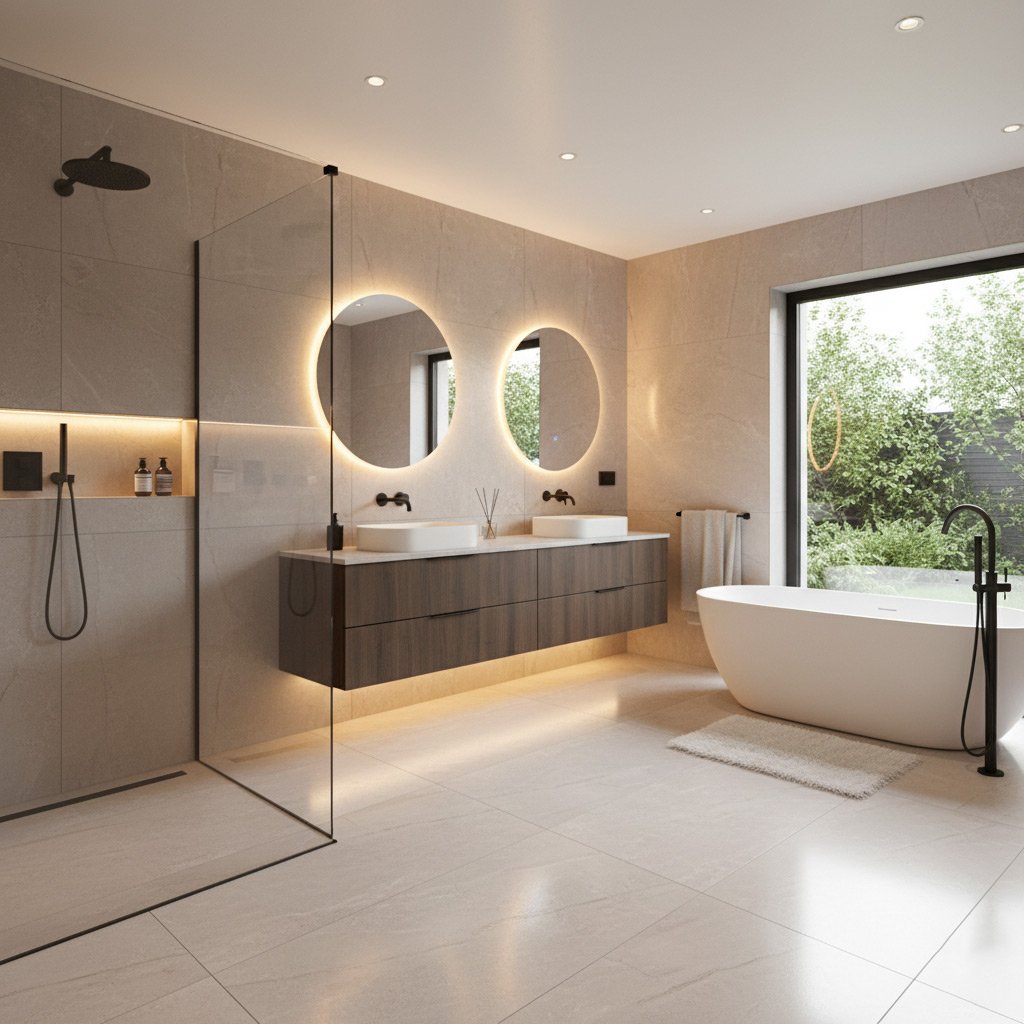
Vetting Contractors and Avoiding DIY Pitfalls in Phoenix Bathroom Remodels
Check Credentials Before You Sign Anything
In Phoenix, a contractor without a valid Arizona state license is a gamble you can’t afford. Ask for the license number, then verify it on the Arizona Registrar of Contractors website. Insurance isn’t optional—make sure they carry both general liability and workers’ comp.
- License number and status
- Proof of insurance
- References from at least three recent walk‑in tub installs
Spot the Red Flags
Cheap quotes that seem too good to be true usually hide hidden fees or sub‑par materials. If a contractor balks at a written scope of work, walk away. A reputable pro will gladly outline every step, from demolition to final waterproofing.
Lock Down the Details in Writing
Never start until you have a contract that spells out the timeline, payment milestones, and warranty coverage. Milestone payments protect you—pay a third after plumbing is inspected, another after the tub is set, and the final chunk when the waterproofing passes the city inspection. This way, you avoid surprise charges and keep the project on track.
Case Study: A Phoenix Homeowner’s Successful Walk‑In Tub Installation from Start to Finish
The Planning Phase
When Maria Hernandez decided to replace her aging bathtub, she started by checking the city’s water‑use limits and confirming her home’s permit requirements. She then consulted three licensed remodelers, asked for detailed quotes, and chose the one who could prove a clean‑up guarantee.
Key takeaways from her prep work:
- Get a written scope of work that lists every fixture, plumbing reroute, and electrical hookup.
- Ask for proof of contractor’s Arizona state license and insurance.
- Verify that the chosen walk‑in tub meets the ASHRAE humidity standards for Phoenix.
Installation Day
On the scheduled day, the crew arrived early, set up a temporary water shut‑off, and laid down a 5‑mil waterproof membrane before any framing began. They installed a dedicated 20‑amp GFCI circuit for the tub’s heated jets and LED lighting, then carefully aligned the tub with the pre‑drilled floor drain.
Maria watched as the team performed a “wet test” – filling the tub to check for leaks. No drips, no surprises. The crew sealed all joints with silicone rated for desert heat, then cleaned the site, leaving it ready for her to enjoy.
After‑Care & Savings
Three months later, Maria’s water bill dropped 12% thanks to the tub’s low‑flow faucet and built‑in recirculation pump. She also reported zero maintenance issues, and the contractor’s warranty covered the first year’s labor.
Her final take‑away: Invest in a qualified pro, follow the code, and test everything before the crew leaves. The result? A spa‑like retreat that adds value without the headache.
Final Words
When you’re ready to turn that spa‑like vision into reality, remember the three pillars that keep a Phoenix walk‑in tub project on track: code compliance, quality craftsmanship, and climate‑smart choices. Ignoring any one of them can turn a simple upgrade into a costly nightmare.
Quick Checklist Before You Sign the Contract
- Confirm the contractor holds a valid Arizona home improvement license and carries workers’ comp.
- Ask for a detailed plumbing diagram that shows drain slope and waterproofing layers.
- Verify that the tub’s heater and lighting meet the Walk In Tub safety standards for wet locations.
Don’t let the desert heat dictate a cheap, low‑efficiency model. A tub with a built‑in recirculating pump can slash water usage while keeping the water at a comfortable temperature—perfect for those scorching Phoenix afternoons.
What to Do If Something Goes Wrong
Even the best‑planned jobs hit snags. If you spot a leak, a flickering light, or a code violation notice, act fast:
- Document the issue with photos and timestamps.
- Contact the contractor in writing within 48 hours.
- Escalate to the Arizona Registrar of Contractors if the response stalls.
Staying proactive protects your investment and keeps the bathroom upgrade moving forward without a hitch.
People Also Ask
What Phoenix building codes affect walk‑in tub installations?
Phoenix requires compliance with the International Residential Code (IRC) and local amendments, which dictate minimum clearances, waterproofing standards, and accessibility requirements. Additionally, the city enforces water‑use restrictions that may limit flow rates for new tubs.How do I choose a walk‑in tub that suits Arizona’s climate?
Select a tub with energy‑efficient heating and insulated walls to retain warmth in the desert’s cool nights. Look for models that offer UV‑resistant finishes and low‑flow faucets to meet water‑conservation goals.What plumbing mistakes should I avoid when adding a walk‑in tub?
Improper slope of the drain line can cause pooling and code violations; ensure a minimum 1/4‑inch per foot slope. Also, use corrosion‑resistant piping, such as PEX, to handle Phoenix’s hard water and prevent leaks.Are there special electrical requirements for heated walk‑in tubs?
Yes, heated tubs must be wired to a dedicated 240‑volt circuit with a GFCI breaker, and all components need to be rated for wet locations. Hiring a licensed electrician familiar with Arizona’s electrical code is essential for safety.Why should I avoid DIY installation of a walk‑in tub in Phoenix?
DIY projects often miss critical code requirements, leading to costly rework and potential fines. Professional contractors ensure proper waterproofing, plumbing, and electrical work, protecting your investment and home safety.
Phoenix Bathroom Remodel brings over 15 years of residential renovation expertise to the Phoenix area, specializing in custom bathroom transformations. Their team combines skilled craftsmanship with a deep understanding of local design trends and building codes, ensuring each project meets the unique needs of Arizona homeowners.
Need Bathroom Remodel?
We restore comfort and functionality to homes in Phoenix (85004, 85016, 85018) and nearby Glendale (85301) and Tempe (85281), delivering solutions within hours. Our technicians arrive promptly, diagnose accurately, and complete repairs so you can resume daily life without delay.
Request Remodel Quote